The Art of Mixing Wood Tones in Your Home Decor
One of the most common design fears when decorating a home is that every piece of wood furniture, flooring, and trim must match perfectly. In reality, matching every stain creates a flat, sterile room that looks like a furniture showroom catalog.
The secret to a layered, high-end interior is mixing wood finishes with intention. When done correctly, blending light, medium, and dark wood tones adds depth, warmth, and a sense of curated history to your home.
Here is how to seamlessly layer different wood finishes without creating visual chaos.
1. Identify Your Dominant Wood Tone
Before introducing new wood pieces, identify the primary wood finish in the space. This dominant tone serves as the anchor that all other wood elements will complement.
-
Fixed Architectural Features: Your dominant wood tone is usually determined by permanent features like hardwood flooring, exposed ceiling beams, built-in cabinetry, or window trim.
-
Large Furniture Anchors: If your floors are tile or carpet, your dominant tone will be your largest wood piece, such as a dining table, bed frame, or credenza.
┌────────────────────────────────────────────────────────────────────────┐
│                      WOOD MIXING HIERARCHY                             │
│                                                                        │
│   ┌────────────────────────────────────────────────────────────────┐   │
│   │                   1. DOMINANT ANCHOR (60%)                     │   │
│   │           (Hardwood Floors, Trim, or Large Credenza)           │   │
│   └───────────────┬────────────────────────────────┬───────────────┘   │
│                   │                                │                   │
│                   ▼                                ▼                   │
│   ┌───────────────────────────────┐ ┌──────────────────────────────┐   │
│   │   2. SECONDARY CONTRAST (30%) │ │  3. ACCENT TOUCHES (10%)     │   │
│   │ (Dining Chairs, Coffee Table, │ │ (Picture Frames, Bowls,      │   │
│   │  or Floating Shelves)         │ │  or Lamp Bases)              │   │
│   └───────────────────────────────┘ └──────────────────────────────┘   │
└────────────────────────────────────────────────────────────────────────┘
2. Honor the Undertone Family (Warm vs. Cool)
Just like choosing wall paint, the key to harmony when mixing woods is matching the undertones rather than the depth of the stain. You can easily mix light oak with dark walnut as long as their temperature undertones align.
-
Warm Undertones (Yellow, Orange, Red): Oak, cherry, mahogany, maple, and pine pair beautifully together because they share warm, golden, or reddish undertones.
-
Cool Undertones (Gray, Ash, Black): Weathered gray wood, ash, bleached oak, and dark ebony stains share cool undertones.
-
Neutral Benchmark (Walnut): Natural walnut is the ultimate universal piece. Its rich, brown-to-charcoal range works as a bridge between both warm and cool wood families.
3. Create Intentional Contrast (Avoid “Near Matches”)
Trying to match two woods that are almost identical—but off by one shade—looks like an accident. Instead, aim for clear, deliberate contrast between neighboring pieces.
-
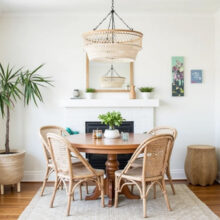
Pair Light with Dark: Place a rich, dark walnut coffee table on top of light blonde oak floors, or group light-toned bentwood dining chairs around a medium-stained rustic dining table.
-
The Rule of High Contrast: Ensure there is at least two to three shades of difference between wood items that sit next to or on top of one another.
                           ┌────────────────────────┐
                           │   DOMINANT FLOORING    │
                           │     (Light Oak)        │
                           └───────────┬────────────┘
                                       │
            ┌──────────────────────────┴──────────────────────────┐
            ▼                                                     ▼
┌───────────────────────┐                             ┌───────────────────────┐
│   SECONDARY PIECE     │                             │    ACCENT TOUCHES     │
│   Dark Walnut Table   │                             │  Medium Teak Chairs   │
│ (Clear, Sharp Contrast│                             │ (Bridges Light/Dark)  │
└───────────────────────┘                             └───────────────────────┘
4. Distribute Wood Tones Evenly Around the Room
If all your dark wood pieces are concentrated on one side of the room and all light wood pieces are on the other, the space will feel visually lopsided.
-
Spread the Tones: Repeat each wood finish at least two times across different areas of the room to create rhythm.
-
Use Micro-Accents: If you have a dark walnut credenza on one wall, balance it on the opposite side of the room with dark wood picture frames, a wooden lamp base, or a small pedestal bowl.
5. Buffer Wood Transitions with Textiles and Decor
When placing a wood furniture piece on a wood floor of a similar shade, use textiles to create a visual “buffer zone” that prevents the furniture from dissolving into the floor.
-
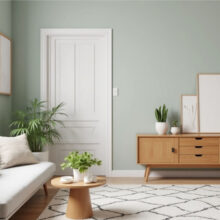
Area Rugs: Lay a large patterned or textured rug under a wood dining table or coffee table. The rug breaks up direct wood-on-wood contact, allowing both finishes to shine independently.
-
Upholstery & Soft Goods: Choose upholstered chairs with slim wooden legs rather than all-wood chairs to soften the concentration of wood grain around a dining table.
Wood Finish Mixing Cheat Sheet
| Design Goal | Best Combination | Why It Works |
| High Contrast / Modern | Light White Oak + Deep Natural Walnut | Sharp, intentional depth with clean separation |
| Warm Transitional | Golden Maple + Rich Cherry + Warm Brass | Shares warm orange/yellow undertones for seamless warmth |
| Rustic / Coastal | Bleached Ash + Weathered Gray Wood | Shares cool, desaturated undertones |
| Wood-on-Wood Floor | Rug buffer between floor and table | Creates spatial separation and prevents visual clutter |