Sustainable Interior Design: Eco-Friendly Decor Tips for Every Room
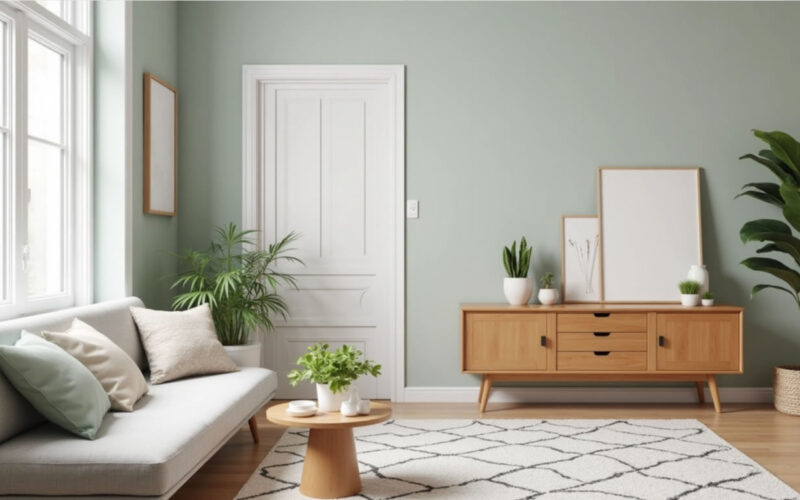
Sustainable interior design is no longer just a niche trend—it’s a conscious approach to creating healthier, more resilient homes. Creating an eco-friendly space doesn’t mean sacrificing style or undergoing a complete, expensive overhaul. Instead, it’s about making intentional choices: prioritizing durable materials, reducing waste, choosing low-VOC finishes, and decorating with second-hand or renewable pieces.
Here is how to create a stylish, sustainable home, broken down room by room.
1. The Core Principles of Eco-Friendly Decor
Before diving into individual rooms, keep these universal sustainable design rules in mind:
-
Choose Renewable Materials: Look for rapidly renewable natural materials such as bamboo, cork, rattan, jute, and FSC-certified (Forest Stewardship Council) sustainably harvested woods.
-
Prioritize Low- or Zero-VOC Finishes: Volatile Organic Compounds (VOCs) off-gas harmful chemicals from paints, glues, and varnishes. Choosing zero-VOC paints and natural finishes improves indoor air quality.
-
Embrace Circular Decor (Thrifting & Upcycling): The greenest furniture piece is the one that already exists. Vintage, antique, and thrifted items eliminate manufacturing waste and give your home unique character.
┌────────────────────────────────────────────────────────────────────────┐
│                      SUSTAINABLE DESIGN PYRAMID                        │
│                                                                        │
│   1. REUSE / REPURPOSE ───►  Thrift, Vintage & Refinished Antiques     │
│   2. RENEWABLE MATERIALS ─►  Bamboo, Cork, Jute, Linen & FSC Wood      │
│   3. NON-TOXIC BASE ─────►  Zero-VOC Paints & Organic Cotton           │
│   4. ENERGY EFFICIENCY ──►  LED Bulbs & Smart Thermostats              │
└────────────────────────────────────────────────────────────────────────┘
2. Living Room: Low-Impact Comfort & Vintage Character
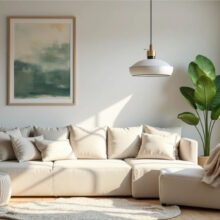
The living room is a high-use space where upholstered furniture and rugs can emit harmful synthetic gases if not chosen carefully.
-
Non-Toxic Furniture: Opt for sofas and armchairs built with solid wood frames (FSC-certified) and cushioned with natural latex or organic wool rather than polyurethane foam.
-
Natural Fiber Area Rugs: Swap synthetic nylon or polyester rugs for 100% jute, sisal, seagrass, or organic wool rugs. Natural fibers are biodegradable and add rich, organic texture.
-
Mix Vintage with Modern: Pair a contemporary sofa with a vintage teak coffee table or upcycled side chairs to divert furniture from landfills while creating a layered, curated look.
3. Kitchen: Zero-Waste & Energy-Efficient Surfaces
As the heart of the home, the kitchen offers major opportunities to conserve energy and eliminate single-use plastics.
-
Sustainably Sourced Countertops: Consider recycled glass, paper-composite surfaces (like Richlite), or locally quarried natural stone rather than energy-intensive synthetic composites.
-
Eco-Friendly Cabinetry: Refinish or repaint existing cabinets with low-VOC paint instead of replacing them. If buying new, look for formaldehyde-free plywood or rapidly renewable bamboo cabinets.
-
Energy Star Appliances: Upgrade to energy- and water-efficient appliances to drastically lower daily utility consumption.
4. Bedroom: Organic Textiles & Clean Indoor Air
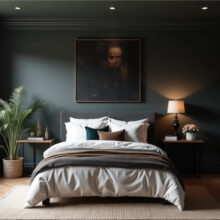
We spend a third of our lives in the bedroom, making it the most important space to eliminate toxins and synthetic fabrics.
-
Organic Bedding: Invest in GOTS-certified (Global Organic Textile Standard) organic cotton, 100% slubbed linen, or eucalyptus Tencel sheets. They are breathable, pesticide-free, and produced using sustainable water practices.
-
Natural Mattresses: Choose mattresses made from organic natural latex, coconut coir, or organic wool, which are free from flame-retardant chemicals and synthetic foams.
-
Air-Purifying Greenery: Place air-purifying houseplants—such as Snake Plants, Peace Lilies, or English Ivy—on nightstands and window sills to naturally filter indoor air.
5. Bathroom: Water Conservation & Renewable Accessories
Bathrooms generate significant water and plastic waste, but simple swaps can transform them into eco-friendly sanctuaries.
-
Low-Flow Fixtures: Install low-flow showerheads and aerated faucets to cut water consumption without losing water pressure.
-
Water-Resistant Renewable Materials: Use teak, bamboo, or cork for bath mats, vanity organizers, and shelving instead of plastic accessories.
-
Natural Linen Bath Towels: Swap synthetic or conventional cotton towels for organic waffle-weave linen towels, which dry rapidly, require less energy to wash/dry, and last longer.
Sustainable Decor Strategy Matrix
| Room | Key Focus Area | Best Eco-Friendly Swap | Environmental Benefit |
| Living Room | Seating & Rugs | Vintage wood furniture + Jute/Wool rugs | Prevents landfill waste & reduces VOCs |
| Kitchen | Cabinetry & Surfaces | Repainted cabinets + Energy Star appliances | Reduces manufacturing waste & energy use |
| Bedroom | Bedding & Mattress | GOTS-certified organic linen/cotton | Free of toxic pesticides & synthetic dyes |
| Bathroom | Fixtures & Linens | Low-flow showerheads + Bamboo/Cork accessories | Conserves water & uses renewable materials |