Biophilic Interior Design: Simple Ways to Bring Nature Indoors
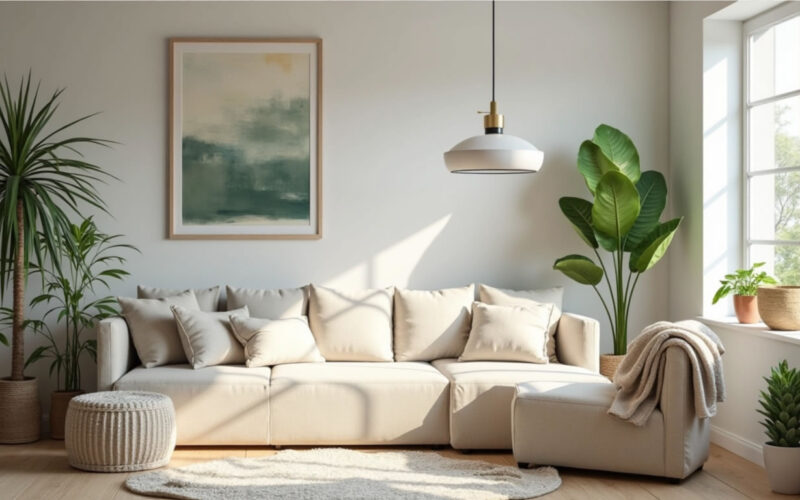
Biophilic design is rooted in a simple idea: human beings have an innate connection to the natural world, and incorporating nature into our built environments significantly improves our well-being, focus, and stress levels. You don’t need to build a indoor waterfall or turn your home into a jungle to reap these benefits.
By strategically introducing live greenery, natural light, organic materials, and sensory outdoor elements, you can create a calming, nature-infused sanctuary.
1. Maximize Direct Connections to Nature (Living Elements)
The most direct way to practice biophilic design is bringing real, living natural elements into your daily sightlines.
-
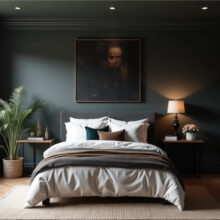
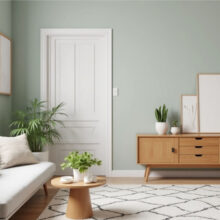
Layer Houseplants at Varied Heights: Instead of clustering all plants on one windowsill, distribute low-maintenance plants (like Pothos, Snake Plants, ZZ Plants, and Fiddle Leaf Figs) across different levels—floor pots, floating shelves, and hanging planters.
-
Incorporate Fresh Florals and Stems: Keep a simple vase of tall green branches (like eucalyptus, olive stems, or seasonal greenery) on your entryway console or kitchen island.
-
Create a Mini Indoor Herb Garden: Place small terracotta pots of rosemary, basil, and mint on a sunny kitchen sill to engage both sight and smell.
┌────────────────────────────────────────────────────────────────────────┐
│                        BIOPHILIC DESIGN LAYERS                         │
│                                                                        │
│   DIRECT NATURE            ┌──────────────────────┐                    │
│   (Live Greenery & Light)  │ Houseplants & Sunlight│                    │
│                            └──────────┬───────────┘                    │
│                                       │                                │
│   INDIRECT NATURE                     ▼                                │
│   (Natural Materials)      ┌──────────────────────┐                    │
│                            │ Wood, Stone & Linen  │                    │
│                            └──────────┬───────────┘                    │
│                                       │                                │
│   NON-VISUAL SENSES                   ▼                                │
│   (Acoustics & Scents)     ┌──────────────────────┐                    │
│                            │ Air & Natural Aromas │                    │
│                            └──────────────────────┘                    │
└────────────────────────────────────────────────────────────────────────┘
2. Harness Natural Light and Fresh Air Flow
Sunlight and fresh air regulate our circadian rhythms, boosting energy during the day and improving sleep quality at night.
-
Unblock Windows: Move tall, heavy furniture away from window frames to allow maximum daylight to penetrate deep into the room.
-
Use Sheer Window Treatments: Swap heavy, light-blocking drapes for light-filtering linen or cotton sheers that soften sunlight without blocking sightlines to the outdoors.
-
Promote Cross-Ventilation: Open opposing windows for 10–15 minutes each morning to circulate fresh outdoor air and clear indoor pollutants.
3. Decorate with Tactile, Raw Organic Materials
Indirect biophilic design relies on materials, textures, and patterns that mimic the feeling of being outdoors.
-
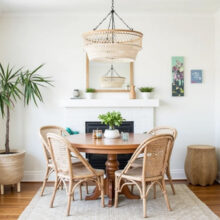
Incorporate Unfinished Wood: Use furniture or decor made from natural, open-grain woods (like white oak, walnut, or rattan) rather than high-gloss synthetic veneers. (See our guide on mixing wood tones to layer these seamlessly!)
-
Embrace Natural Stone: Add accent pieces, coasters, risers, or side tables made from travertine, slate, marble, or river stones.
-
Layer Raw Earthy Textiles: Opt for 100% organic cotton, slubbed linen, wool rugs, and jute mats over synthetic polyester fabrics.
4. Introduce Biomorphic Shapes and Patterns
In nature, straight lines and sharp $90^\circ$ right angles are rare. Introducing soft, organic curves makes a room feel instantly more comfortable and biological.
-
Curved Furniture Silhouettes: Choose round pedestal tables, arched mirrors, curved sofa backs, or oval coffee tables to soften rigid architecture.
-
Nature-Inspired Patterns: Use subtle botanical wallpapers, wave-like textile weaves, or wood grain patterns that evoke natural movement without feeling overly themed.
5. Engage Non-Visual Senses (Sound and Smell)
True biophilia engages all five senses to create a multi-sensory grounding environment.
-
Natural Essential Scents: Use a diffuser with essential oils derived from plants and woods—such as cedarwood, pine, eucalyptus, lavender, and bergamot.
-
Acoustic Softness: Reduce harsh, echoey indoor noise by adding plush wool rugs, fabric wall coverings, and thick curtains, which mimic the dampening effect of outdoor foliage.
Biophilic Design Quick Cheat Sheet
| Element | Direct / Indirect | Simple Implementation | Benefit |
| Indoor Plants | Direct Nature | Low-maintenance potted plants on varied levels | Cleans air & lowers stress |
| Natural Sunlight | Direct Nature | Sheer linen drapes; unblocked windows | Regulates sleep & circadian rhythm |
| Organic Materials | Indirect Nature | Travertine, rattan, raw oak, slubbed linen | Adds tactile warmth & grounding |
| Curved Forms | Indirect Nature | Arched mirrors, round pedestal tables | Softens rigid, boxy room layouts |
| Botanical Scents | Sensory Nature | Eucalyptus bundles, cedarwood diffusers | Engages senses & promotes calm |