How to Arrange Living Room Furniture for Maximum Space and Flow
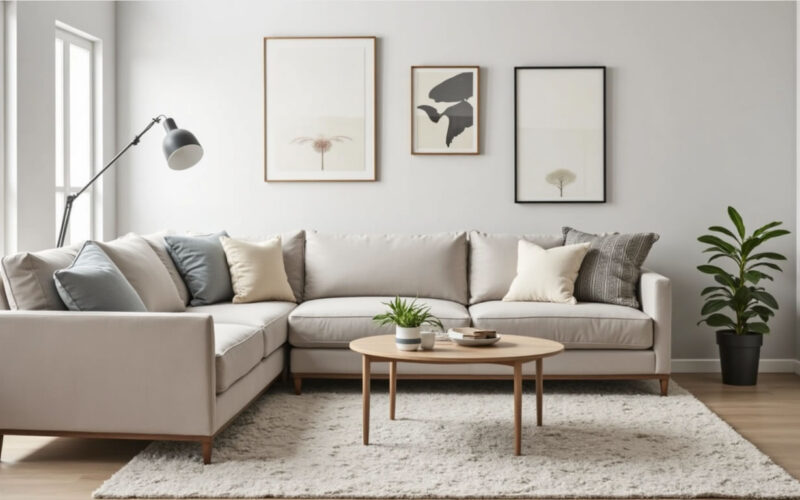
Arranging living room furniture can often feel like solving a complex spatial puzzle. Whether you are working with a compact apartment or a sprawling open-concept layout, how you position your seating, tables, and decor dictates how comfortable and functional the room feels. A thoughtful arrangement maximizes available square footage, encourages easy movement, and creates an inviting environment for relaxing and entertaining.
Here is a step-by-step guide to arranging your living room furniture for optimal space and seamless traffic flow.
1. Establish a Clear Focal Point
Every well-designed room needs an anchor. Identify your living room’s natural focal point before moving a single piece of furniture. Common focal points include:
-
A fireplace or architectural feature
-
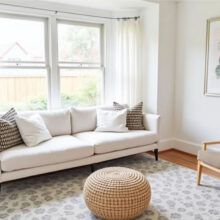
A large window with a pleasant view
-
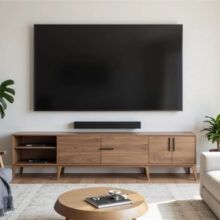
An entertainment center or media wall
Orient your primary seating—usually the sofa—toward this focal point. Building your arrangement around a singular anchor prevents the room from feeling scattered and gives the eye a natural place to rest.
2. Define High-Traffic Paths
Good flow relies on unobstructed walkways. People should be able to walk through the room without bumping into table corners or squeezing past chairs.
-
Maintain Walkways: Leave at least 30 to 36 inches of clear space for major traffic pathways through the room.
-
Keep Entryways Open: Avoid placing large furniture directly across from doorways or entry thresholds to prevent visual and physical blockages.
3. Pull Furniture Away from Walls
A common mistake in small or medium spaces is pushing all furniture against the perimeter walls in hopes of making the room look bigger. Paradoxically, “floating” your furniture—even just a few inches away from the wall—creates breathing room and makes the space feel more intentional and expansive.
In larger rooms, pull seating into the center to create intimate conversation zones rather than one vast, empty floor area.
4. Master the Distance Rules for Comfort
Functional layout design comes down to ergonomic measurements. Keep these classic proportions in mind when placing key pieces:
-
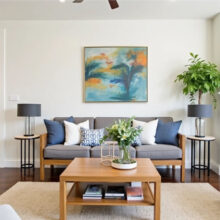
Coffee Table to Sofa: Maintain 14 to 18 inches between the sofa edge and the coffee table. This leaves enough legroom while keeping drinks and books within easy reach.
-
Seating Spacing: Keep chairs and sofas within 4 to 8 feet of each other to allow for comfortable conversation without shouting.
-
TV Viewing Distance: Position your main seating at a distance equal to roughly 1.5 to 2.5 times the diagonal measurement of your screen.
5. Anchor the Layout with the Right Rug Size
An improperly sized rug can throw off the proportions of an entire room. A rug that is too small acts like a floating island, making the room look disjointed.
To create cohesion and maximize perceived space, choose a rug large enough so that at least the front legs of all major seating pieces rest on top of it. This visually pulls the furniture together into a single, unified group.
6. Balance Scale and Visual Weight
Visual weight refers to how heavy an object looks in a space. Balance a heavy sectional sofa with lighter, leggy armchairs on the opposite side to keep the room from feeling lopsided. Choose coffee tables with exposed legs or glass tops to maintain sightlines and allow light to pass through, enhancing the sense of open space.
Quick Layout Tips for Unique Room Shapes
-
Small Living Rooms: Use multi-functional furniture, like storage ottomans or nesting tables, to save floor space.
-
Long and Narrow Rooms: Divide the room into two distinct functional zones (e.g., a main seating area and a reading nook) rather than stretching one arrangement down the entire length.
-
Open-Concept Spaces: Use the back of a sofa or a low console table as a natural room divider between the living and dining areas.
By focusing on functional traffic lanes, proportional spacing, and balanced visual weight, you can transform any living room into a spacious, harmonious sanctuary that flows effortlessly for everyday living.