The Ultimate Guide to Layering Lighting in Your Home
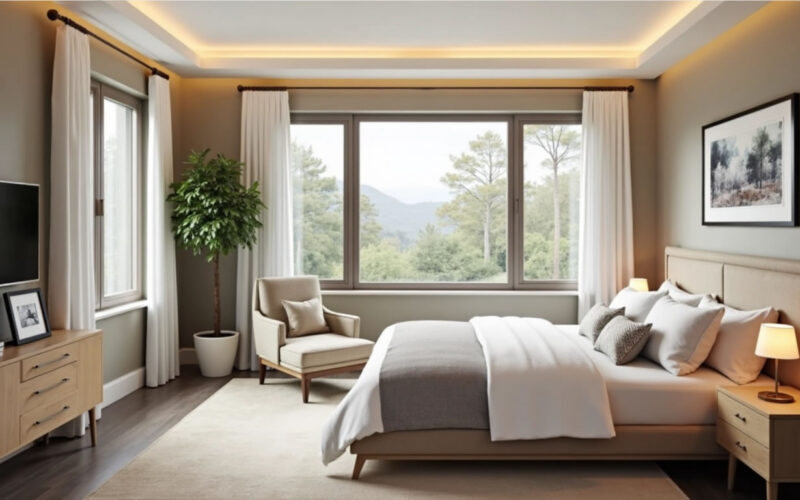
Lighting is one of the most powerful yet frequently overlooked elements of interior design. Beyond its functional role, lighting sets the mood, highlights architectural details, and creates a sense of scale and comfort in a space. A single overhead fixture often leaves rooms feeling flat, sterile, or shadowed. To create a well-balanced, dynamic interior, professional designers rely on a technique known as layering lighting.
Layered lighting combines three fundamental types of illumination—ambient, task, and accent lighting—to transform any room into a versatile, beautifully lit sanctuary. Here is your step-by-step guide to mastering the art of layered lighting in your home.
The 3 Essential Layers of Lighting
To build an effective lighting scheme, you need to understand how the three core layers work together:
                  ┌────────────────────────┐
                  │    Ambient Lighting    │  (General illumination & foundation)
                  └───────────┬────────────┘
                              │
                  ┌───────────┴────────────┐
                  │     Task Lighting      │  (Focused light for specific activities)
                  └───────────┬────────────┘
                              │
                  ┌───────────┴────────────┐
                  │    Accent Lighting     │  (Visual interest & architectural detail)
                  └────────────────────────┘
1. Ambient Lighting (The Foundation)
Ambient lighting provides general illumination, replacing natural sunlight as the day fades. It ensures you can move safely through a room and forms the canvas upon which other lighting layers are added.
-
Common Sources: Recessed ceiling lights, semi-flush mount fixtures, chandeliers, and large pendant lights.
-
Pro Tip: Install dimmer switches on your ambient fixtures. Being able to adjust brightness instantly shifts a room’s atmosphere from practical daylight to relaxed evening warmth.
2. Task Lighting (The Function)
Task lighting delivers focused brightness to areas where specific activities occur, such as reading, cooking, grooming, or working. By illuminating target zones directly, task lights prevent eye strain and eliminate unwanted shadows created by overhead ambient lights.
-
Common Sources: Under-cabinet LED strips in the kitchen, desk lamps in home offices, adjustable wall sconces by the bed, and floor reading lamps beside sofas.
-
Pro Tip: Position task lighting so it doesn’t create glare on screens or reflective surfaces like kitchen countertops.
3. Accent Lighting (The Flair)
Accent lighting adds depth, dimension, and drama to a space. Used to direct the eye toward artwork, textured walls, architectural features, or decorative displays, accent lights are typically two to three times brighter than the surrounding ambient light to create visual contrast.
-
Common Sources: Picture lights above artwork, wall sconces, LED cove lighting, track lighting, and cabinet puck lights.
-
Pro Tip: Use accent lighting to highlight structural features like exposed brick, fireplace mantels, or open shelving filled with decor.
How to Layer Lighting Room by Room
The Living Room
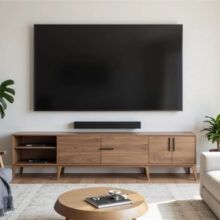
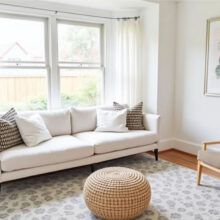
The living room requires flexibility for entertaining, watching TV, and relaxing.
-
Ambient: Start with recessed ceiling lights or a central chandelier.
-
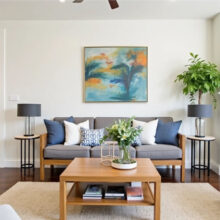
Task: Place arc floor lamps or adjustable table lamps beside reading chairs.
-
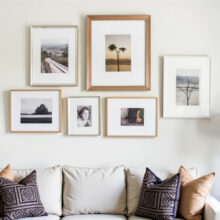
Accent: Highlight artwork with picture lights, or run LED strip lighting inside built-in bookcases.
The Kitchen
As a functional workspace, kitchens require generous, shadow-free lighting.
-
Ambient: Flush mounts or evenly spaced recessed cans provide uniform lighting across the footprint.
-
Task: Under-cabinet LED lighting is essential for task prep on countertops, while pendant lights brighten the kitchen island.
-
Accent: In-cabinet lights behind glass doors or toe-kick lighting under base cabinets add sophisticated flair.
The Bedroom
Lighting in the bedroom should promote relaxation and rest.
-
Ambient: Soft, diffused fixtures like flush-mount drum shades or warm chandeliers set a calm tone.
-
Task: Pair nightstands with wall-mounted swing-arm sconces or low-wattage table lamps to keep surfaces clear for late-night reading.
-
Accent: Gentle uplighting behind a headboard or subtle wardrobe interior lights add a luxury hotel feel.
3 Professional Lighting Rules to Keep in Mind
-
Mind Color Temperature: Measure color temperature in Kelvin ($K$). Stick to warm white tones ($2700K – 3000K$) in living rooms and bedrooms for a cozy environment. Use cool white ($3500K – 4000K$) in kitchens and home offices for clarity and focus.
-
Mix Fixture Heights: Spread light sources at different vertical levels—from ceiling fixtures down to table lamps and floor lamps—to avoid dead zones.
-
Embrace Smart Control: Smart bulbs or automated lighting scenes allow you to transition all three layers simultaneously with a single tap or voice command.
By thoughtfully combining ambient, task, and accent lighting, you can elevate the beauty, comfort, and functionality of every room in your home.