How to Choose the Perfect Headboard for Your Bed Frame
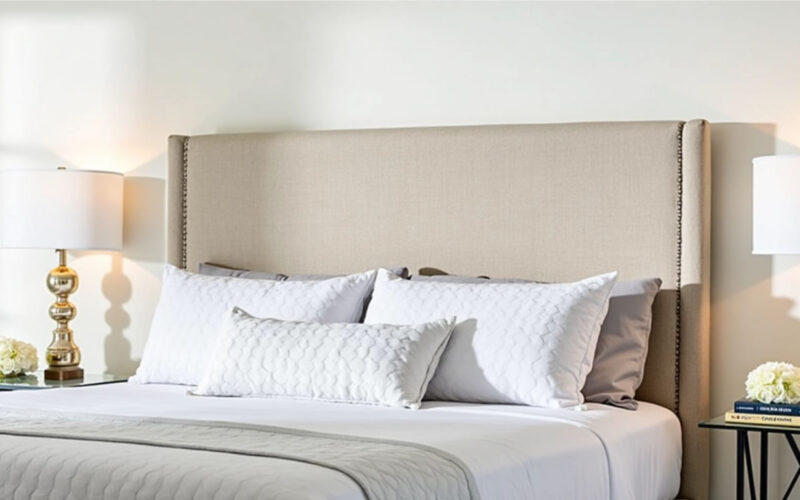
A headboard is far more than just a functional backing for your bed—it is often the primary focal point of the entire bedroom. The right headboard anchors your mattress, elevates your decor style, adds comfortable back support for late-night reading, and protects your walls from wear and tear. However, with so many materials, heights, and mounting styles available, selecting the right one can feel overwhelming.
Here is a step-by-step guide to help you choose the ideal headboard for your bed frame and bedroom layout.
1. Confirm Compatibility and Mounting Type
Before focusing on style, ensure the headboard physically attaches to your existing bed frame or room structure. Headboards generally come in three mounting styles:
                          ┌───────────────────────────┐
                          │   Headboard Mount Types   │
                          └─────────────┬─────────────┘
                                        │
         ┌──────────────────────────────┼──────────────────────────────┐
         ▼                              ▼                              ▼
┌──────────────────┐           ┌──────────────────┐           ┌──────────────────┐
│  Frame-Mounted   │           │   Wall-Mounted   │           │  Freestanding    │
│ Bolts directly   │           │ Hangs like art   │           │ Stands between   │
│ to the frame     │           │ via french cleat │           │ frame and wall   │
└──────────────────┘           └──────────────────┘           └──────────────────┘
-
Frame-Mounted: Features legs with pre-drilled brackets that bolt directly onto a standard metal or wooden bed frame. Ensure your frame has matching bracket slots before purchasing.
-
Wall-Mounted: Hangs directly on the wall using heavy-duty wall anchors or a French cleat system. This works with almost any bed frame or platform base and allows you to adjust the height precisely.
-
Freestanding: Stands independently on the floor between the bed frame and the wall. The weight of the bed pushes against it to keep it stable, though securing it to the wall is still recommended for safety.
2. Get the Scale and Height Proportions Right
A headboard that is too tall can overwhelm a small room, while one that is too short will disappear behind decorative pillows.
-
Standard Width: The headboard should be slightly wider than your mattress—typically 2 to 4 inches wider overall (1 to 2 inches on each side) to create a neat border.
-
Height Proportions:
-
Low Profile (under 40 inches): Best for small bedrooms, low ceilings, or minimalist low-platform beds.
-
Standard Height (40 to 55 inches): Ideal for average ceiling heights (8 to 9 feet) and standard bedding setups.
-
Tall / Statement (55+ inches): Perfect for high ceilings, spacious master suites, or when you want the headboard to serve as dramatic wall art.
-
-
Account for Pillow Depth: Remember that decorative pillows and thick mattresses will cover the lower 10 to 15 inches of the headboard surface.
3. Select the Right Material for Your Lifestyle
Choose a material that balances your aesthetic preference with daily practicality:
Upholstered (Fabric or Leather)
-
Best For: Comfort, reading in bed, and creating a cozy, luxurious hotel feel.
-
Considerations: Woven fabrics (linen, velvet, bouclé) require occasional vacuuming and spot-cleaning. Leather and faux-leather offer a sleeker look and wipe clean easily.
Wood (Solid Timber or Veneer)
-
Best For: Organic warmth, durability, and classic design styles (farmhouse, mid-century modern, or traditional).
-
Considerations: Wood is extremely low-maintenance, but requires back pillows if you like sitting up in bed to read or watch TV.
Metal (Iron, Brass, or Steel)
-
Best For: Small spaces, industrial aesthetics, or Victorian vintage charm.
-
Considerations: Spindled metal headboards leave visual sightlines open, making compact bedrooms feel larger. However, like wood, they offer minimal cushioning without extra pillows.
4. Align with Your Overall Decor Style
Match the shape and finish of the headboard to your room’s overarching design theme:
-
Modern / Minimalist: Low, horizontal channel-tufted panels, sleek leather, or plain wood slabs with clean, straight lines.
-
Traditional / Classic: Deep button-tufted upholstery, curved wingback silhouettes, or rich dark wood finishes.
-
Boho / Coastal: Woven rattan, cane webbed paneling, or light ash wood.
Headboard Selection Cheat Sheet
| Material / Style | Primary Benefit | Best Suited For | Maintenance |
| Upholstered | Soft back support & cozy texture | Readers, master bedrooms, high-end looks | Vacuuming & spot cleaning |
| Natural Wood | Timeless warmth & durability | Mid-century, farmhouse, or rustic rooms | Easy dusting & occasional polish |
| Metal / Iron | Airy visual weight & compact footprint | Small bedrooms, vintage or industrial themes | Wipe clean with a damp cloth |
| Rattan / Cane | Organic texture & lightweight feel | Coastal, boho, or Scandinavian spaces | Dusting with a soft brush |