The Art of Layering Rugs: Tips for Texture and Contrast
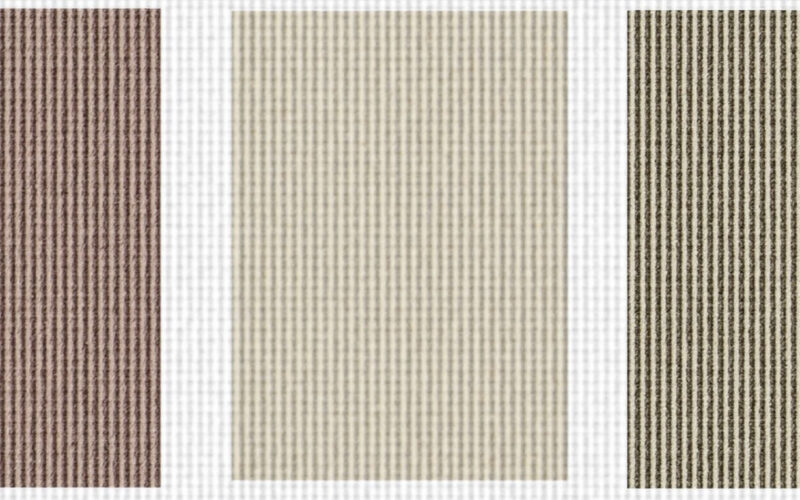
Layering rugs is one of the most effective interior design techniques to instantly elevate a room. Placing a smaller, patterned, or uniquely textured rug over a larger base rug adds depth, defines seating zones, introduces warmth, and brings a relaxed, high-end feel to your space.
Layering is also a practical problem-solver: it allows you to cover a large floor footprint affordably using a durable, low-cost base while showcasing a smaller, pricier vintage or decorative rug on top.
Here is how to master the art of layering rugs with maximum style and zero visual clutter.
1. Start with the Foundation (The Large Base Rug)
The bottom rug serves as the room’s anchor. It provides coverage, cushions foot traffic, and sets a neutral canvas for the accent rug above.
-
Material: Choose flatweave or low-pile natural fiber rugs like jute, sisal, seagrass, or wool flatweaves. Natural fibers add earthy texture and durability while remaining thin enough to avoid tripping hazards.
-
Sizing: Follow standard rug proportions (see our Ultimate Rug Sizing Guide). Ensure the base rug is large enough that at least the front legs of all major furniture sit comfortably on top.
-
Color: Stick to a solid neutral tone (natural tan, cream, greige, or soft charcoal) to avoid competing with the top rug.
┌────────────────────────────────────────────────────────────────────────┐
│                        RUG LAYERING ARCHITECTURE                      │
│                                                                        │
│   ┌────────────────────────────────────────────────────────────────┐   │
│   │                 1. BASE FOUNDATION RUG (60%)                   │   │
│   │        (Large Natural Fiber: Jute, Sisal, or Wool Flatweave)   │   │
│   └───────────────┬────────────────────────────────┬───────────────┘   │
│                   │                                │                   │
│                   ▼                                ▼                   │
│   ┌────────────────────────────────────────────────────────────────┐   │
│   │                 2. TOP ACCENT RUG (40%)                        │   │
│   │        (Patterned Vintage, Faux Hide, High-Pile Plush, Kilim)   │   │
│   └────────────────────────────────────────────────────────────────┘   │
└────────────────────────────────────────────────────────────────────────┘
2. Introduce the Accent Rug (Texture, Pattern & Color)
The top rug is your personality layer. Because it sits on top of a larger base, you can opt for bolder prints, richer colors, or unique asymmetrical shapes without overwhelming the room.
-
Vintage Persian or Turkish Kilims: A vintage, low-pile patterned rug over a natural jute base creates a timeless, lived-in aesthetic.
-
Faux Hides & Asymmetrical Shapes: Organic cowhides or irregular shapes break up the rigid right angles of square and rectangular furniture, adding a fluid, modern dynamic.
-
High-Pile Shags or Faux Sheepskins: Placing a plush wool or shearling rug over a flat jute base introduces maximum tactile contrast underfoot.
3. Play with Proportions and Placement
┌────────────────────────────────────────────────────────────────────────┐
│                        RECOMMENDED LAYOUT FORMULAS                     │
│                                                                        │
│   CENTERED ANCHOR                  DIAGONAL / ASYMMETRICAL             │
│   ┌────────────────────────┐       ┌────────────────────────┐          │
│   │   ┌────────────────┐   │       │   ┌────────┐           │          │
│   │   │    TOP RUG     │   │       │   │ TOP    │           │          │
│   │   └────────────────┘   │       │   └────────┘           │          │
│   │        BASE RUG        │       │        BASE RUG        │          │
│   └────────────────────────┘       └────────────────────────┘          │
└────────────────────────────────────────────────────────────────────────┘
-
The Centered Frame: Center the top rug over the base rug, leaving 12 to 18 inches of the base rug exposed as a border on all sides. This works best in dining rooms and classic living rooms.
-
The Diagonal / Off-Center Drift: Place an organic shape (like a faux hide) or a smaller vintage runner at an angle across the corner of the base rug beneath a coffee table or accent chair. This creates an inviting, casual lounge vibe.
4. Master Texture and Pattern Combinations
The secret to seamless layering lies in contrasting textures rather than stacking identical materials.
-
Flat Natural Fiber + Plush Sheepskin/Shag: Pairs rough organic weave with ultra-soft pile for high tactile contrast.
-
Flat Neutral Jute + Bold Geometric/Floral Kilim: Combines a textured, pattern-free base with a detailed, high-color top print.
-
Low-Pile Vintage + Faux Cowhide: Layers a structured rectangular motif beneath an organic, free-flowing silhouette.
5. Practical Safety and Maintenance Tips
-
Use Rug-to-Rug Tape: Top rugs tend to bunch, slip, or wave when walked on. Place specialized double-sided rug tape or a thin rubber rug pad between the bottom and top rug to keep everything flush and prevent tripping hazards.
-
Mind Total Pile Height: Ensure the combined height of both rugs does not block nearby door swings or create an uneven foundation under coffee table legs.
Layered Rug Combination Cheat Sheet
| Base Rug (Bottom) | Top Rug (Accent) | Best Style Application | Why It Works |
| Large Natural Jute / Sisal | Vintage Persian or Turkish Kilim | Warm Transitional / Boho Chic | Combines earthy texture with timeless, rich pattern |
| Flatweave Neutral Wool | Asymmetrical Faux Hide | Modern / Eclectic Lounge | Breaks up straight lines with organic, fluid shape |
| Solid Dark Charcoal Flatweave | Cream High-Pile Moroccan Shag | Moody / Cozy Minimalist | High-contrast color play with deep tactile softness |
| Low-Pile Neutral Sisal | Small Faux Sheepskin / Shearling | Scandinavian / Hygge Bedroom | Softens cold floor zones right where feet land beside a bed |
By layering a plush, patterned, or organic accent rug over a sturdy neutral base, you can effortlessly introduce texture, contrast, and designer flair to any room.