Coffee Table Decor 101: Formulas for a Perfectly Styled Table
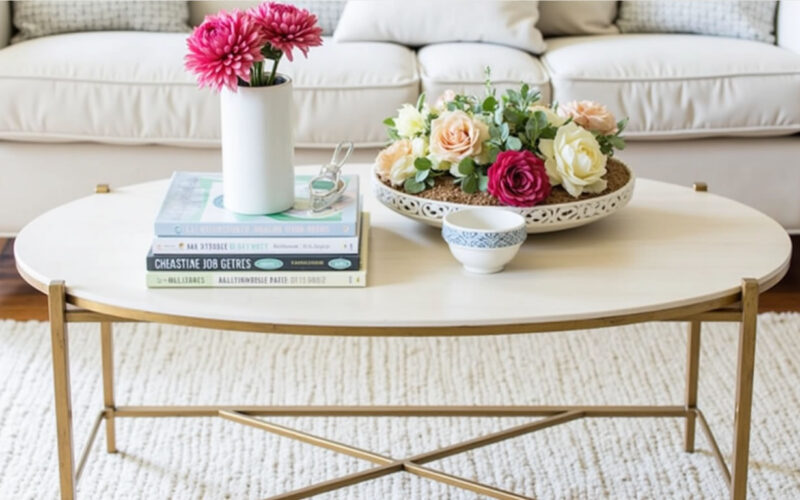
The coffee table is the visual anchor of the living room. Placed right in the center of your seating arrangement, it draws the eye immediately. Yet, styling a coffee table can be deceptively tricky—too few items look empty, while too many look like unorganized clutter.
Professional interior designers use foolproof spatial formulas based on shape, height variation, grouping, and texture to balance function with beauty. Here are the exact styling formulas to transform your coffee table.
1. The Core 4-Element Ingredient List
Regardless of the styling formula you choose, every well-styled coffee table draws from a combination of these four core decor elements:
-
Something Tall (Height): A tall vase with fresh or dried branches, a candlestick, or a sculpted object.
-
Something Flat (Base/Structure): Oversized coffee table books or a decorative wooden/marble tray.
-
Something Organic (Life): A small potted succulent, fresh florals, a bowl of river stones, or a wooden bead chain.
-
Something Sculptural (Personality): A unique vintage object, a brass link, a decorative bowl, or an interesting candle.
┌────────────────────────────────────────────────────────────────────────┐
│                        THE CORE STYLING FORMULA                        │
│                                                                        │
│   ┌────────────────────────────────────────────────────────────────┐   │
│   │                      1. TALL ELEMENT (HEIGHT)                  │   │
│   │               (Vase with Branches, Candle, Sculpture)          │   │
│   └───────────────┬────────────────────────────────┬───────────────┘   │
│                   │                                │                   │
│                   ▼                                ▼                   │
│   ┌───────────────────────────────┐ ┌──────────────────────────────┐   │
│   │     2. FLAT BASE / ANCHOR     │ │    3. ORGANIC / SCULPTURAL    │   │
│   │  (Stack of Books or A Tray)   │ │  (Bowl, Brass Object, Green) │   │
│   └───────────────────────────────┘ └──────────────────────────────┘   │
└────────────────────────────────────────────────────────────────────────┘
2. Table-Shape Formulas
Different table shapes require different spatial layouts to maintain balance without blocking sightlines.
Formula A: The Rectangular Table (Rule of Threes)
Divide a long rectangular coffee table into three distinct horizontal zones:
-
Zone 1 (Left): A stack of 2–3 large hardcover books topped with a small sculptural object or brass link.
-
Zone 2 (Center): A low, wide decorative bowl (great for holding matchboxes or remote controls).
-
Zone 3 (Right): A medium-to-tall vase with green stems to add natural height.
┌────────────────────────────────────────────────────────────────────────┐
│                        RECTANGULAR TABLE LAYOUT                        │
│                                                                        │
│   ┌──────────────────┐    ┌──────────────────┐    ┌──────────────────┐ │
│   │  STACK OF BOOKS  │    │  LOW MARBLE BOWL │    │  TALL VASE WITH  │ │
│   │  + SMALL OBJECT  │    │  (FOR REMOTES)   │    │  GREEN BRANCHES  │ │
│   └──────────────────┘    └──────────────────┘    └──────────────────┘ │
│         [ZONE 1]                [ZONE 2]                [ZONE 3]       │
└────────────────────────────────────────────────────────────────────────┘
Formula B: The Square Table (The Grid of Four)
Square coffee tables offer a large surface area that can easily feel chaotic without structure. Divide the surface into a 2×2 grid:
-
Quadrant 1: A large decorative tray containing smaller loose items.
-
Quadrant 2: A neat stack of two coffee table books.
-
Quadrant 3: A tall vase or vessel with branches.
-
Quadrant 4: A wide, low-profile bowl or pedestal.
Formula C: The Round or Oval Table (The Triangle Method)
Round tables have no straight edges to align with. Arrange three items of varying heights in a triangular formation in the center:
-
Point 1 (Tall): A tall vase with floral/greenery stems.
-
Point 2 (Medium): A stack of two books topped with a scented candle.
-
Point 3 (Low): A small organic object or footed dish.
3. The Layering Rules Every Stylist Swears By
Vary Your Heights (High, Medium, Low)
A table where every object is the same height looks flat. Always mix heights to guide the eye dynamically up and down across the surface. Ensure your tallest item (e.g., vase) doesn’t block sightlines across the room while seated ($12\text{ to }16\text{ inches}$ max is a great rule of thumb).
Contain Clutter with Trays
If you have small utility items—like TV remotes, coasters, matchboxes, or reading glasses—never let them scatter across the table. Place them inside a rimmed wood, marble, or leather tray. Grouping small items inside a defined boundary turns potential mess into curated decor.
Play with Contrast and Textures
Balance hard and soft materials. If you have a glass or polished marble table, style it with warm, raw textures like woven rattan trays, matte stoneware vessels, or wooden beads. If your table is dark wood, use white marble or light alabaster bowls to create sharp visual contrast.
Coffee Table Decor Formula Cheat Sheet
| Table Shape | Best Layout Formula | Key Elements to Use |
| Rectangular | Rule of Threes (3 Horizontal Zones) | Book stack + Low bowl + Tall vase |
| Square | Grid of Four ($2\times2$ Quadrants) | Tray + Book stack + Tall vessel + Small sculpture |
| Round / Oval | The Triangle (3 Centered Points) | Tall stems + Book & candle stack + Low footed dish |
| Glass / Metal | High-Contrast Organic Textures | Wood trays, stoneware, woven baskets, green branches |
| Wood / Marble | Sleek & Reflective Contrast | Glass vases, metallic accents, smooth marble pedestals |
By using structured grid or triangular layouts, varying object heights, and anchoring small items within trays, you can achieve a beautifully styled coffee table that feels effortlessly chic and completely functional.